Build trust around routines without quietly taking over.
Start by comparing job duties, client choice, privacy, driving, meal support and the agency's escalation process in your state.
Open the companion-care route →Education supports practice; state rules and employer competency checks still apply.
Read the claims boundary LanternstepCare Academy · U.S.
Plan my learning

Practice the moment before it arrives: read the plan, notice change, protect dignity and know when to call for help.
One rule threads through every lesson: online study can prepare a decision; it cannot invent observed competence.
Choose the role closest to your goal. The compass reveals the first scope question—not a national certification answer.
Start by comparing job duties, client choice, privacy, driving, meal support and the agency's escalation process in your state.
Open the companion-care route →A scenario-first Foundations learning route for new professional caregivers and agency hires, centered on daily living support, dignity, observation and escalation.
Open course →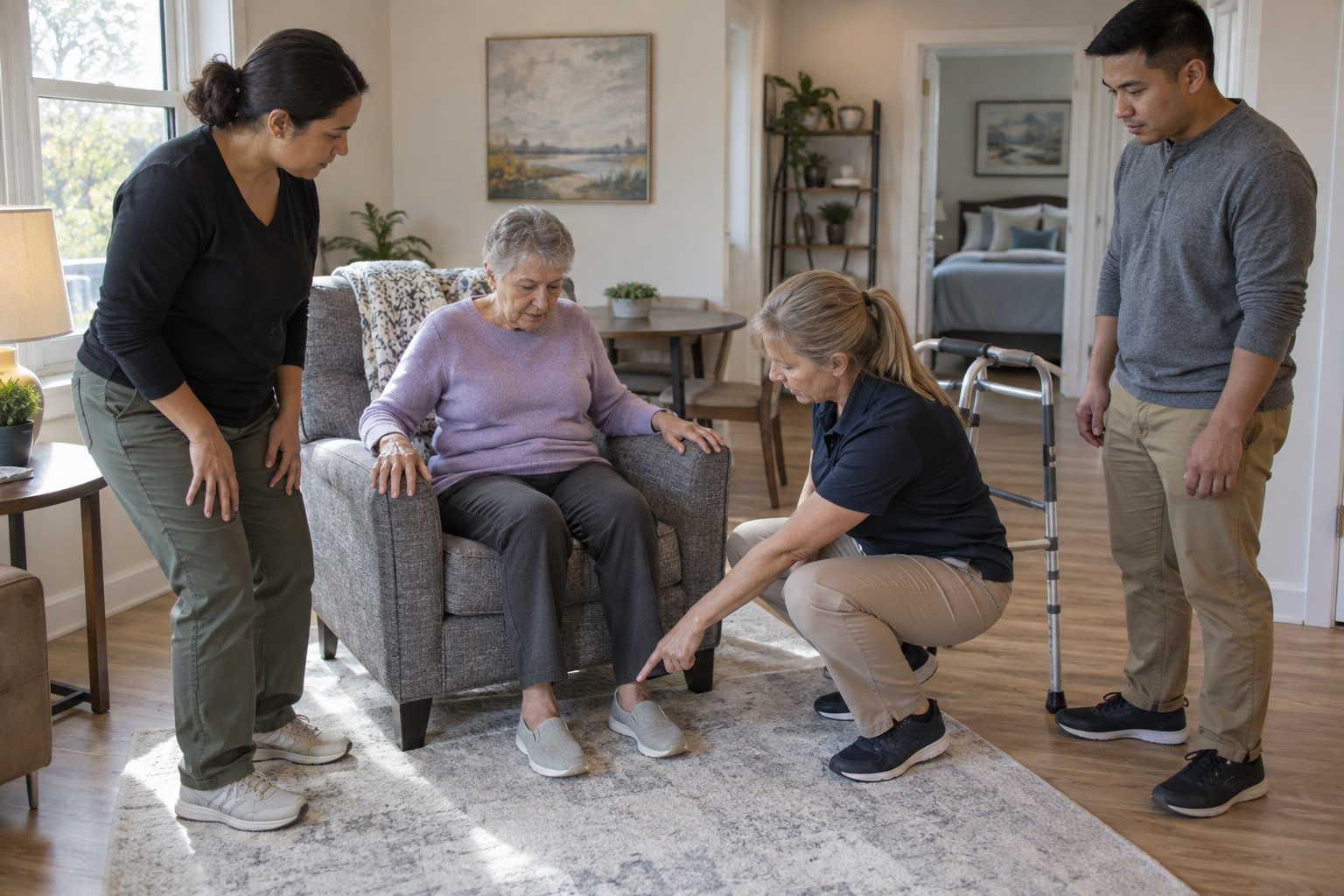
A scenario-first PCA learning route for personal care aides entering non-clinical home care, centered on role boundaries, personal care routines and care-plan literacy.
Open course →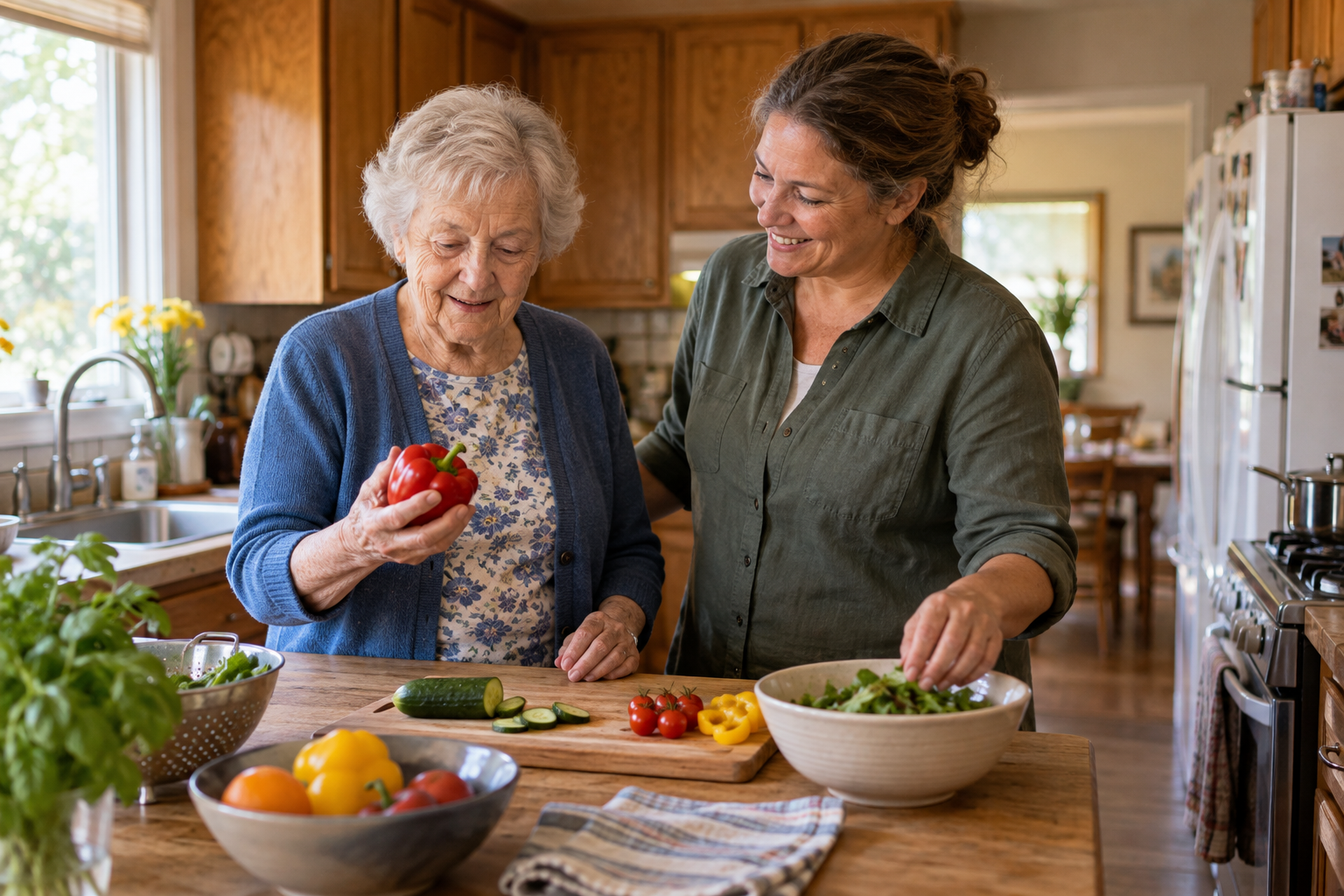
A scenario-first Companion learning route for companions supporting older adults at home, centered on companionship, routines, light household support and respectful choice.
Open course →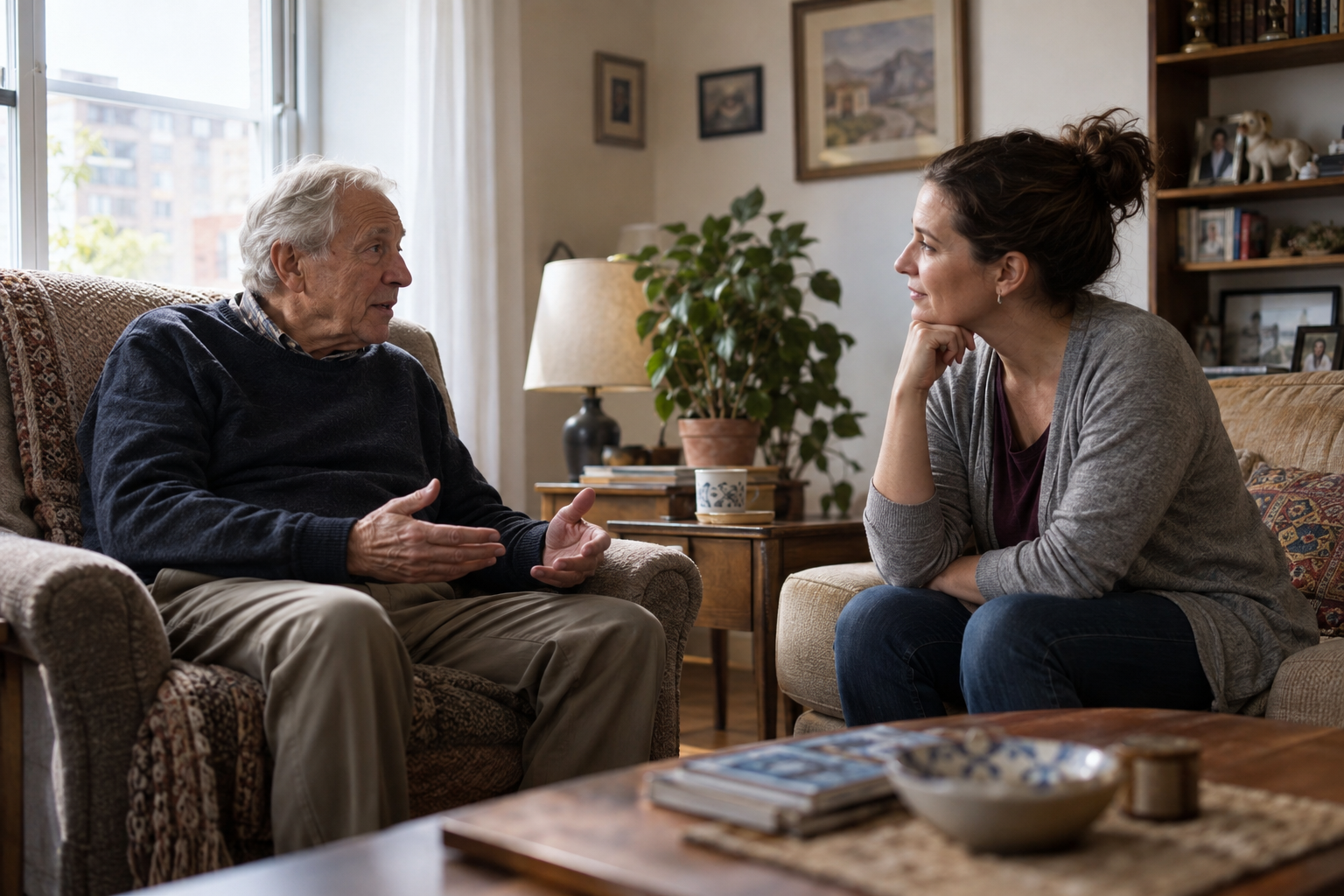
A scenario-first Dementia learning route for caregivers supporting people living with cognitive change, centered on person-first communication, distress cues and escalation.
Open course →A scenario-first Safety learning route for caregivers who assist with movement under an approved plan, centered on body mechanics, equipment boundaries and supervised skills checks.
Open course →A scenario-first Safety learning route for home-care workers completing environmental checks, centered on home hazards, observation, reporting and client choice.
Open course →
A scenario-first Safety learning route for non-clinical and direct-care workers in private homes, centered on hand hygiene, standard precautions, PPE and exposure reporting.
Open course →A scenario-first Daily living learning route for caregivers assisting with meals without prescribing diets, centered on meal planning, food handling, preferences and reporting concerns.
Open course →An older adult asks the same question again and looks toward the front door. Which response keeps dignity and observation together?
Current Bureau of Labor Statistics context helps frame demand. It cannot predict an individual wage, schedule, employer or outcome.
projected employment growth
Select a marker to reveal the verification question. Lanternstep never turns a national course list into a blanket claim of state approval.
Open the complete research atlas →
Separate companion, PCA, HHA, supervisor and local program rules.
Choose scenarios tied to actual tasks and care settings.
Use named criteria, authorized observers and remediation notes.
Review objective documentation and escalation quality.
Track policy changes, renewals and skill drift.
Roles, state research, first shifts, documentation, safety, interviews and agency onboarding.
Read every guide →A field guide for caregivers and agencies maintaining learning records, designed to produce a dated course, provider, approval and renewal log.
A field guide for agency owners and training managers, designed to produce a role-based sequence of learning, observation and feedback.
A field guide for care workers and supervisors noticing overload, designed to produce a support, recovery and escalation conversation plan.
A field guide for caregivers observing environmental risk, designed to produce a client-respecting hazard note and escalation plan.
A field guide for non-clinical staff escalating new observations, designed to produce a who-when-what reporting sequence.
A field guide for new caregivers translating plans into actions, designed to produce a route from authorized tasks to questions and stop conditions.
State, program and employer rules determine the allowed role and setting.
A video or quiz cannot invent hands-on competency.
Rules and employer policies can change after a page is published.
Completion, state approval, employment and wages are separate claims.